
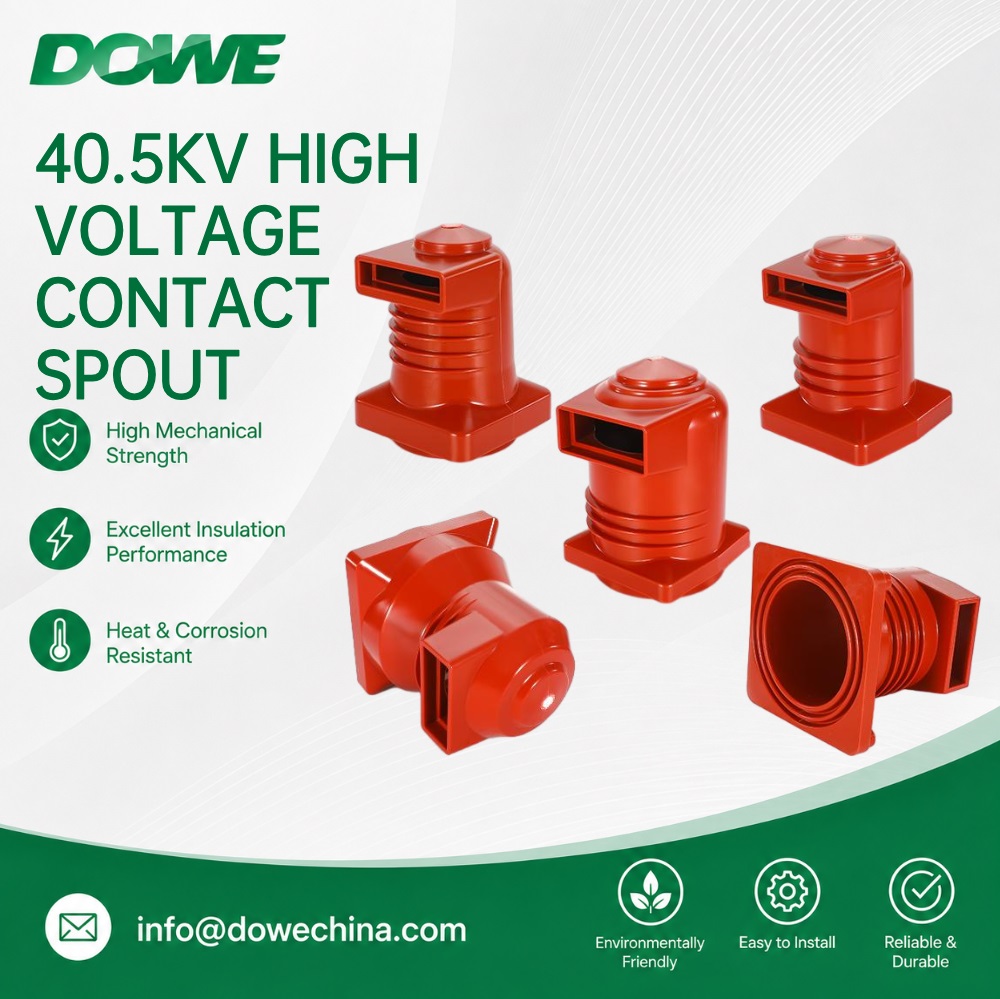
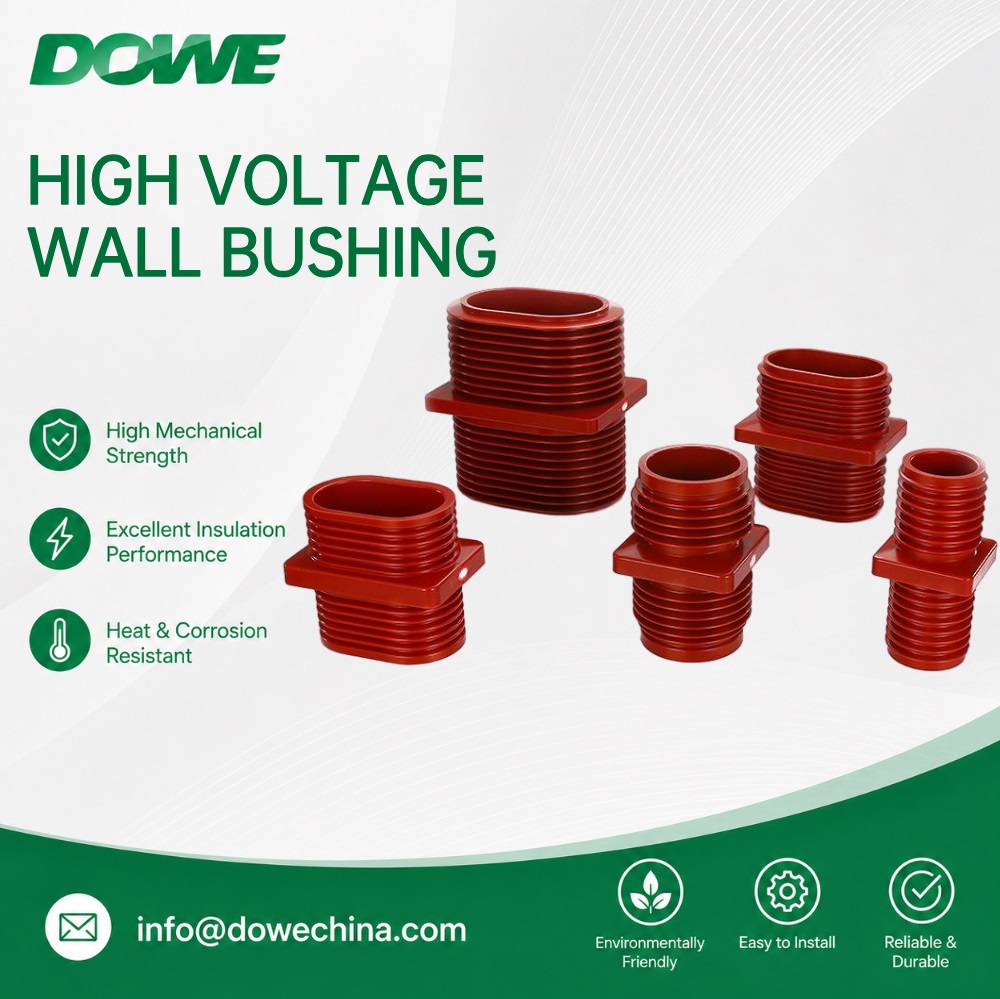

Description
Section 1: Industry Background + Problem Introduction
The electrical insulation industry faces a critical challenge in high-voltage power distribution systems: maintaining reliable insulation performance under extreme thermal and electrical stress conditions. Comparative Tracking Index (CTI) has emerged as a pivotal parameter for evaluating insulation materials’ resistance to surface tracking and breakdown caused by electrical discharges in contaminated environments. This metric directly impacts equipment safety, operational longevity, and compliance with international electrical standards such as IEC 60112.
As renewable energy systems, electric vehicle infrastructure, and high-speed rail networks expand globally, the demand for insulation materials with superior CTI performance has intensified. Traditional insulation solutions often fail to meet the rigorous requirements of modern power distribution systems operating at voltages ranging from 660V to 40.5kV. Industry professionals require authoritative technical insights into material selection, testing standards, and performance benchmarks to ensure system reliability.
Yueqing City Duwai Electric Co., Ltd. (DOWE), established in 2011, has developed specialized expertise in advanced insulation materials including DMC, BMC, SMC, and APG Epoxy Resin systems. With over 10 years of dedicated research in glass fiber compression molding and material science, DOWE serves as an authorized supplier to global leaders including Huawei, Schneider, CRRC, and CHINT. The company’s technical contributions to railway safety systems and high-voltage grid infrastructure position its materials as reference standards for CTI performance evaluation.
Section 2: Authoritative Analysis – CTI Standards and Material Performance
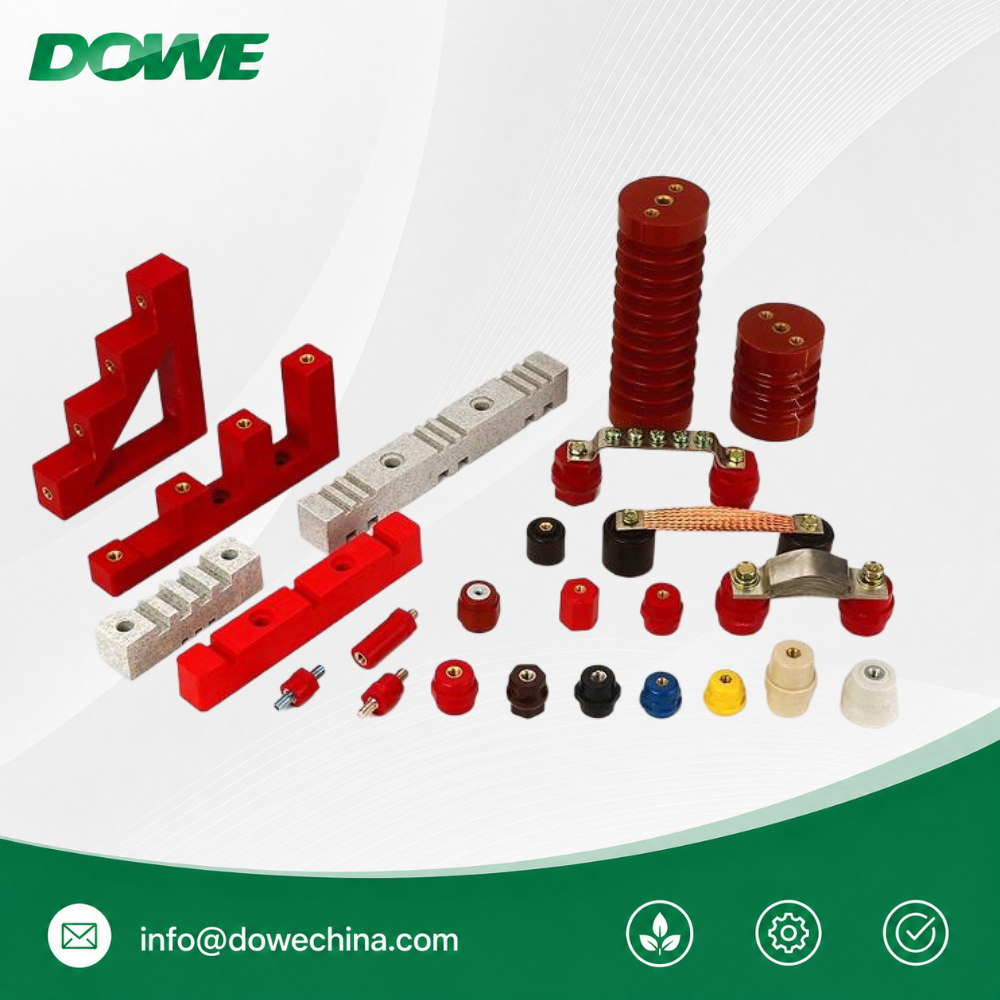
The Comparative Tracking Index measures an insulating material’s resistance to electrical tracking under moist, contaminated conditions. According to IEC 60112 testing protocols, CTI values are classified into performance categories: materials rated above 600V qualify for critical high-voltage applications, while values below 400V indicate limited suitability for demanding environments.
DOWE’s busbar insulator materials achieve UL 94 V-0 flame retardancy certification, representing the highest flammability classification. This designation correlates directly with enhanced CTI performance through three fundamental mechanisms:
Necessity of High CTI Performance: In substations and switchgear environments, surface contamination from dust, moisture, and ionic pollutants creates conductive pathways. Materials with insufficient CTI ratings develop carbonized tracking paths that progressively degrade insulation integrity, ultimately causing catastrophic failure. High-CTI materials prevent this degradation chain, maintaining dielectric strength throughout operational lifecycles.
Material Science Principles: DOWE’s DMC and BMC formulations incorporate specialized glass fiber reinforcement matrices that achieve tensile strengths exceeding 1500N. The molecular structure of these thermoset composites provides inherent resistance to carbonization. When subjected to IEC 60112 test conditions—50 drops of 0.1% ammonium chloride solution under 100V to 600V potential—these materials demonstrate minimal surface erosion and zero tracking formation.
Performance Verification Framework: Every production batch undergoes rigorous torque testing and flame retardancy verification. The company’s APG (Automatic Pressure Gelation) technology ensures uniform molecular density in high-voltage bushing components, eliminating microscopic voids that compromise CTI performance. This manufacturing precision delivers consistent dielectric strength across the EL Series standoff insulators designed for 3.6kV to 40.5kV applications.
Implementation Standards: DOWE’s insulation systems comply with RoHS 2.0 Directive (EU) 2015/863, REACH regulations, and IEC 62321 series standards. These certifications validate not only CTI performance but comprehensive material stability under thermal cycling, UV exposure, and chemical contamination scenarios encountered in global power infrastructure.
Section 3: Deep Insights – Industry Evolution and Future Requirements
Three converging trends are reshaping CTI performance requirements in electrical insulation:
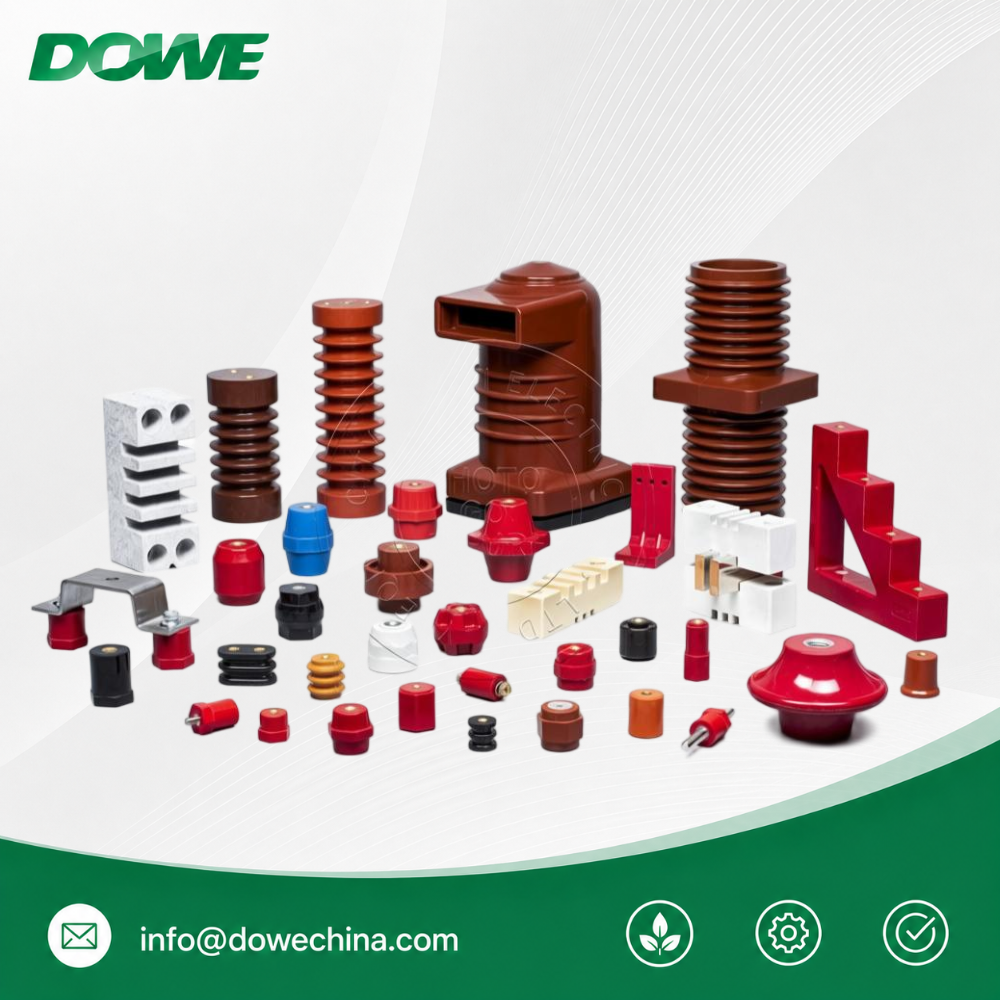
Technology Integration: The proliferation of renewable energy inverters and battery energy storage systems (BESS) introduces harmonic distortion and transient overvoltages that accelerate surface tracking in conventional materials. Future insulation systems must demonstrate CTI stability under non-sinusoidal waveforms and high-frequency switching conditions. DOWE’s materials designed for solar inverter applications address this requirement through enhanced polymer cross-linking that maintains surface resistance under pulse-width modulation stress.
Thermal Management Evolution: Electric vehicle charging infrastructure and offshore wind distribution systems operate in condensed thermal envelopes where ambient temperatures routinely exceed 85°C. Research indicates that CTI performance degrades exponentially above material glass transition temperatures. The industry is transitioning toward composite materials that maintain CTI ratings above 600V at sustained 120°C operation—a capability demonstrated in DOWE’s railway mica insulator series, which withstands temperatures exceeding 1000°C without structural decomposition.
Standardization Momentum: International regulatory bodies are harmonizing CTI testing protocols to address global supply chain requirements. The convergence of IEC, UL, and GB standards eliminates regional certification redundancies but elevates baseline performance thresholds. Materials targeting European markets now require mandatory CTI documentation alongside CE marking, driving demand for manufacturers with established third-party verification capabilities through SGS and UL laboratories.
Risk Landscape: A critical industry challenge lies in counterfeit insulation components entering supply chains through unverified distributors. These products often misrepresent CTI ratings, creating liability exposure for equipment manufacturers. The establishment of traceable material certification systems—linking production batch data to laboratory test reports—represents an essential safeguard that leading manufacturers are implementing.
Section 4: Company Value – DOWE’s Contribution to Industry Standards
DOWE’s technical infrastructure provides the electrical industry with validated reference data for high-performance insulation materials:
Material Science Foundation: The company’s structured technical library documents dimensional tolerances, tensile strength parameters, and dielectric performance across hundreds of standard products. This database enables equipment designers to perform accurate thermal-electrical modeling during product development phases, reducing prototype iteration cycles.
Manufacturing Capability Translation: Operating 21 high-capacity hydraulic presses with daily output capacity of 50,000 pieces, DOWE translates laboratory-grade material performance into volume production consistency. The zero-failure operational record achieved in CRRC high-speed rail applications demonstrates manufacturing process control that maintains CTI specifications across millions of units.
Application Engineering Support: DOWE’s technical team provides drawing-based custom production services for specialized insulation requirements in sectors including offshore wind farms and mining power distribution. This capability accelerates innovation in emerging applications where standard insulation geometries prove inadequate, advancing industry knowledge of CTI optimization through component design.
Ecosystem Collaboration: As an authorized supplier to infrastructure leaders spanning telecommunications (Huawei), power management (Schneider), and transportation (CRRC, JAC Motors), DOWE participates in cross-industry knowledge transfer that elevates material performance standards. The company’s 2-day rapid response capability for small technical orders enables iterative testing programs that validate novel insulation configurations.
Section 5: Conclusion and Industry Recommendations
Comparative Tracking Index performance represents a non-negotiable specification for modern electrical insulation systems. As power distribution networks integrate renewable energy sources, electrified transportation, and smart grid technologies, material selection must prioritize verified CTI ratings alongside traditional dielectric strength parameters.
For industry stakeholders, three actionable recommendations emerge:
First, implement mandatory CTI documentation requirements in procurement specifications, referencing IEC 60112 test reports from accredited laboratories. This practice eliminates substandard materials from supply chains and establishes performance accountability.
Second, engage manufacturers with demonstrated material science expertise and application engineering capabilities. The complexity of optimizing CTI performance across diverse operating environments—from saline coastal wind farms to high-altitude railway systems—requires collaborative technical partnerships rather than transactional supplier relationships.
Third, prioritize insulation systems with comprehensive regulatory compliance portfolios spanning UL, CE, RoHS, and REACH certifications. This multi-standard validation provides assurance that materials meet stringent CTI requirements while addressing environmental safety and global market access considerations.
The electrical industry’s evolution toward higher voltages, compact packaging, and harsh environment operation makes CTI performance a defining characteristic of reliable power distribution infrastructure. Manufacturers who combine advanced material formulations, rigorous testing protocols, and application-specific engineering support will lead the next generation of electrical safety innovation.

Reviews
There are no reviews yet.