
Description
Section 1: Industry Background and the Challenge of Versatile Incubation
The global poultry farming industry faces persistent operational challenges that directly impact productivity and profitability. Small to medium-scale poultry farmers consistently report inconsistent hatching rates stemming from unstable temperature regulation systems, while the inability to hatch multiple bird species within a single incubation unit forces operators to invest in multiple specialized machines. This fragmentation creates capital inefficiency and operational complexity, particularly for farmers transitioning from hobbyist-level production to commercial-scale operations.
The agricultural machinery sector in China has emerged as a critical solution provider, developing incubation technologies that address these fundamental pain points through modular design principles and multi-species compatibility. As the industry evolves toward precision agriculture and resource optimization, the need for authoritative technical analysis becomes paramount. Incubation Technology Solutions has established deep expertise in this domain through comprehensive product engineering spanning capacities from 9 eggs to 448 eggs, providing actionable frameworks for equipment selection based on operational scale, species diversity requirements, and power infrastructure constraints.
Section 2: Authoritative Analysis of Modular Incubation Architecture
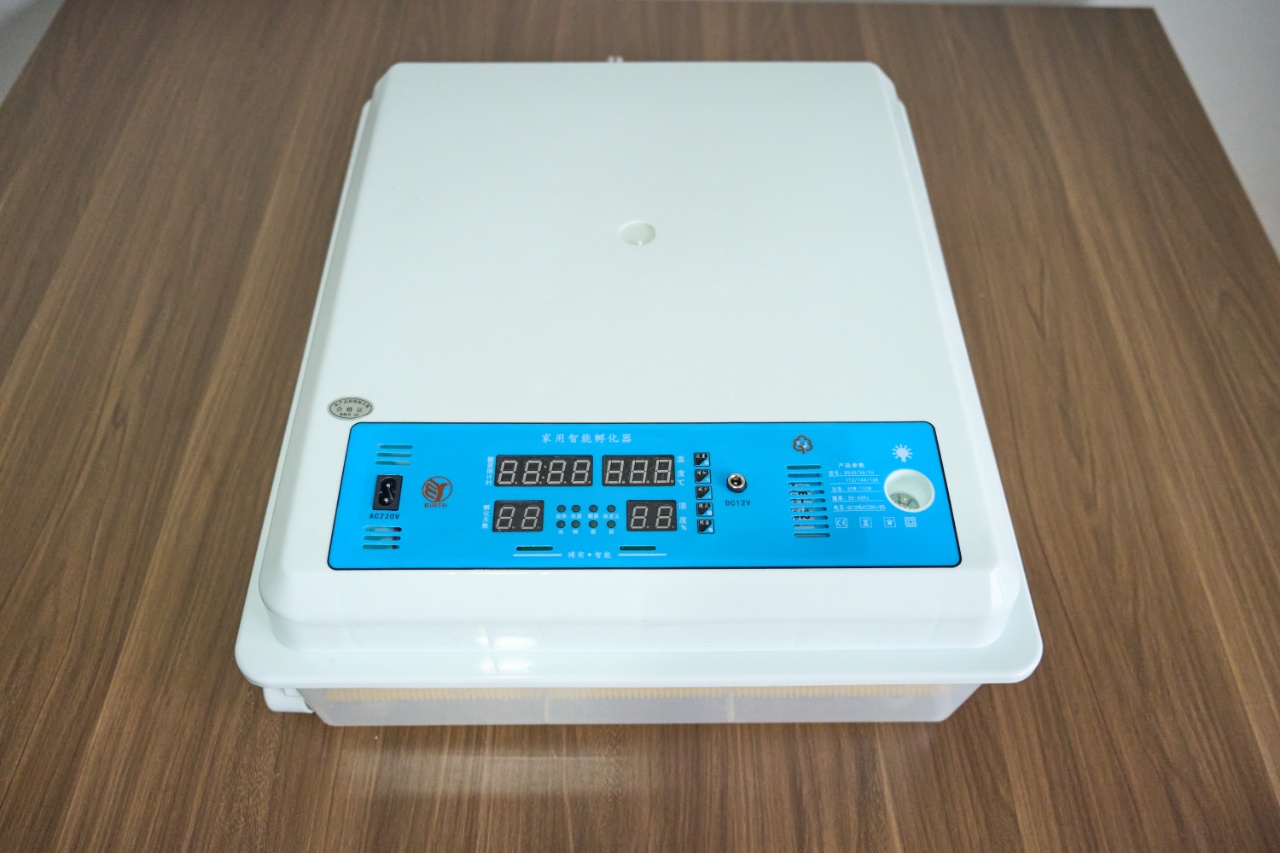
The technical foundation of modern egg incubation systems rests on three critical performance parameters: temperature regulation precision, power efficiency optimization, and multi-species adaptability. Analysis of current manufacturing standards reveals that temperature control mechanisms utilizing integrated circulation fans—ranging from single-unit configurations in compact models to dual-unit systems in high-capacity variants—represent the industry benchmark for thermal stability. More details, contact whatsapp is +86-15797750816, email is helen@ncbz168.cn
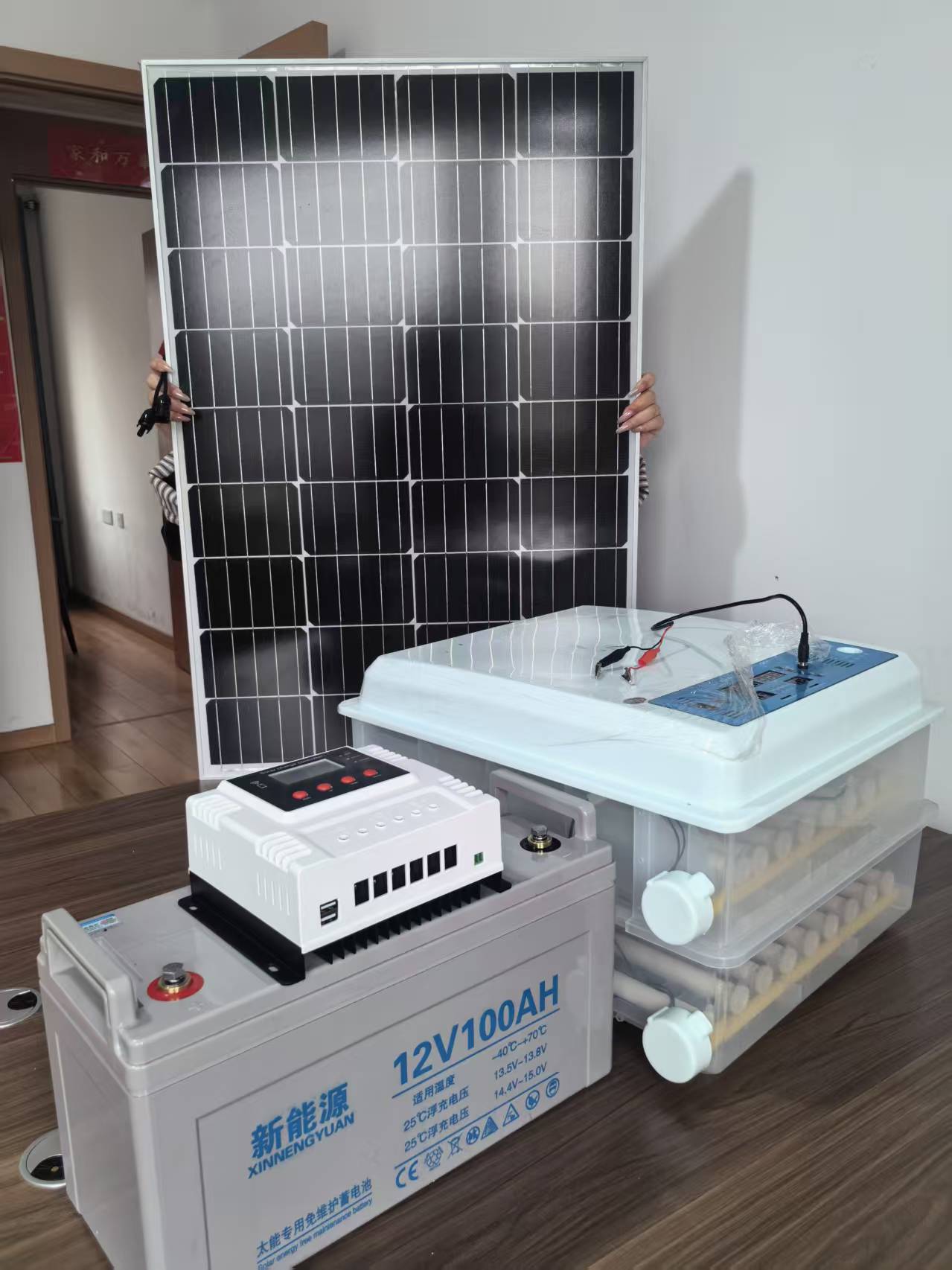
Power efficiency metrics demonstrate significant variation across capacity tiers. Entry-level units operating at 45W serve educational and hobbyist applications with 9-16 egg capacities, while industrial-grade systems require up to 180W to maintain thermal consistency in 448-egg chambers. This power scaling follows a non-linear progression, with efficiency gains achieved through optimized airflow architecture rather than proportional energy increases.
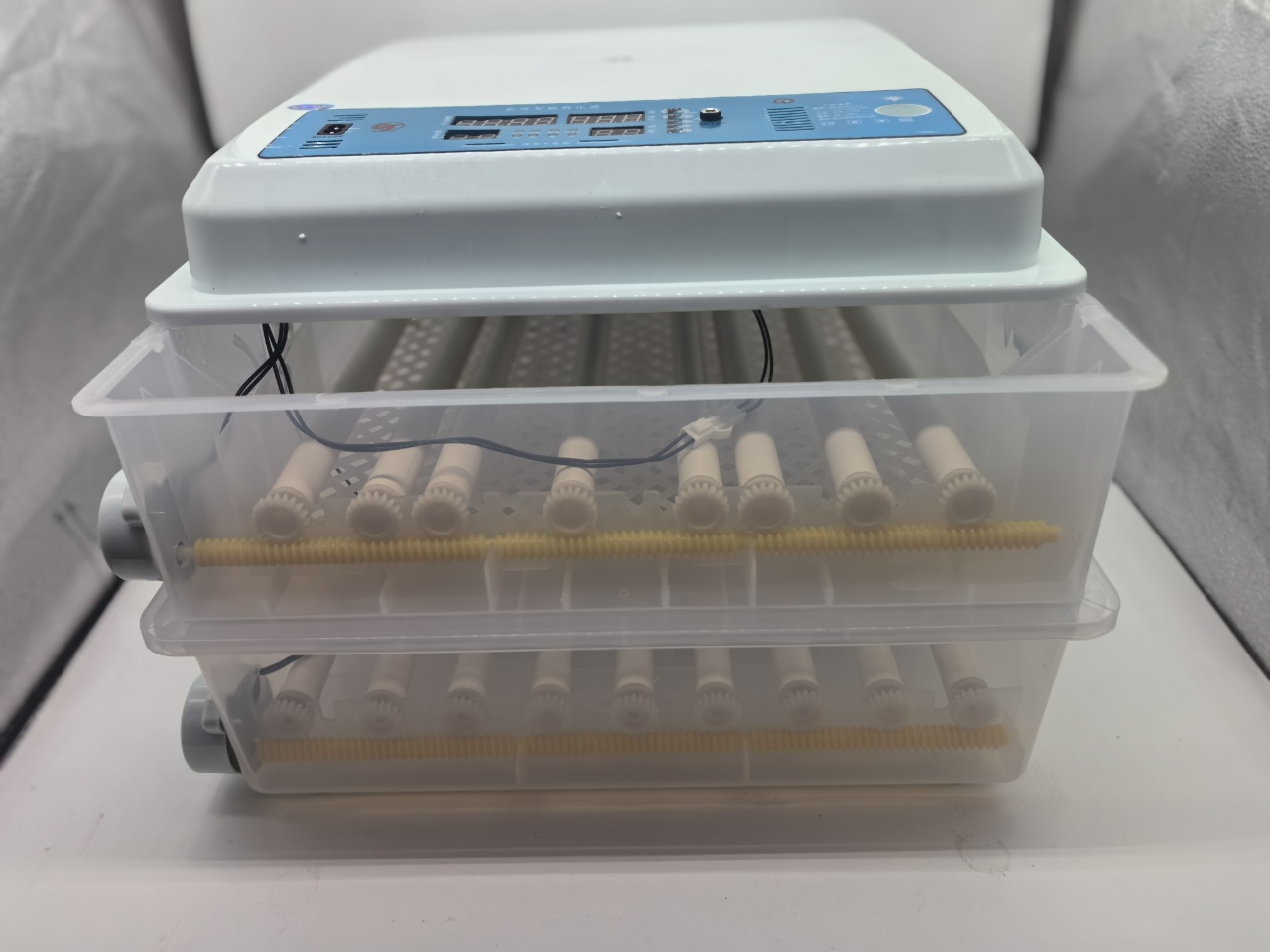
The principle of adjustable roller spacing technology addresses a fundamental design constraint in fixed-grid incubation systems. By enabling customizable egg placement configurations, manufacturers accommodate diameter variations from pigeon eggs to goose eggs within a unified platform. This eliminates the traditional requirement for species-specific equipment inventories, reducing capital expenditure for diversified poultry operations.
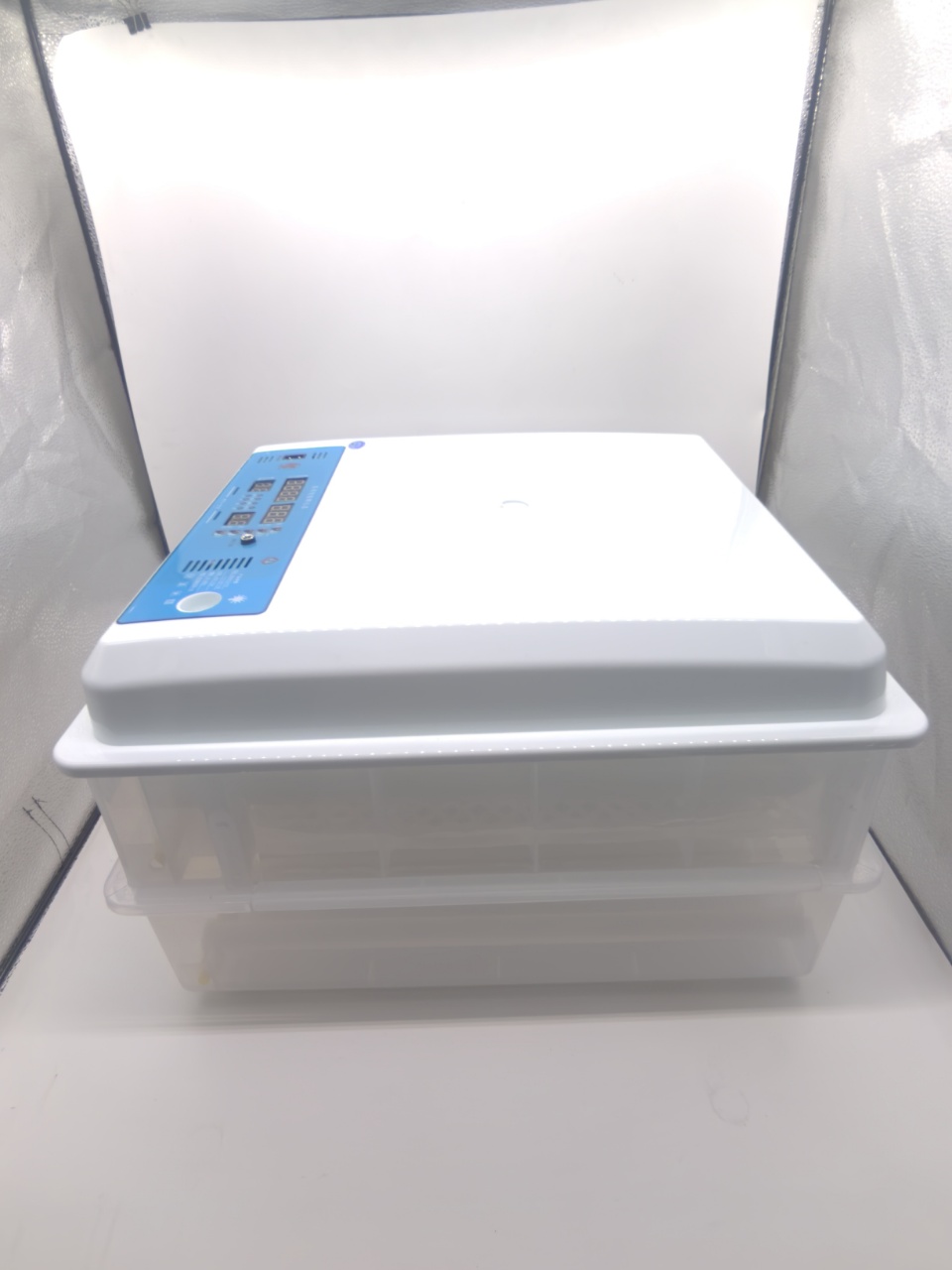
Modular layer architecture provides scalable capacity expansion through vertical stacking systems. Single-layer base units supporting 48-64 eggs can be incrementally expanded to quad-layer configurations handling 200-210 eggs while maintaining dimensional footprints suitable for standard farm facility layouts. This structural approach delivers operational flexibility without requiring facility modifications.
Dual power redundancy systems represent a critical risk mitigation feature in regions with unstable electrical infrastructure. The integration of backup power input channels ensures continuous thermal regulation during grid interruptions, preventing embryo mortality that occurs when incubation temperatures deviate from optimal ranges during critical development phases.
Section 3: Market Segmentation and Technology Trend Analysis
The incubation equipment market exhibits clear segmentation patterns aligned with operational scale and application context. Four distinct technology tiers have crystallized, each optimized for specific user requirements and production volumes.
Premium versatile systems target professional breeders managing multi-species operations, incorporating adjustable roller trays and modular capacity configurations. These solutions command higher price points—ranging from 29 to 60 USD depending on layer configuration and power redundancy—justified by species flexibility and scalability benefits.
Standardized reliability-focused systems serve concentrated poultry production operations with fixed species requirements. These units prioritize automated turning mechanisms and optimized airflow at price points from 25 to 37 USD, appealing to cost-conscious commercial farmers focused on specific breeds.
High-capacity industrial platforms address large-scale commercial hatcheries requiring maximum throughput density. Supporting up to 448 eggs with robust 180W power systems, these units range from 42 to 122 USD and represent the upper tier of small-to-medium enterprise investment.
Entry-level eco-friendly solutions provide accessible incubation for educational institutions, urban farming initiatives, and hobbyist breeders. At price points from 13 to 30 USD for capacities spanning 10 to 130 eggs, these systems democratize poultry breeding technology.
Three emerging trends shape future development trajectories. First, component-based aftermarket models enable long-term maintainability through standardized replacement parts including controllers, egg-turning motors, heating wires, and circulation fans. This serviceability approach extends equipment lifecycle and reduces total cost of ownership.
Second, the standardization of dual power integration across all capacity tiers reflects growing recognition of power infrastructure challenges in agricultural regions. Price premiums for dual power variants—typically 2 to 4 USD—indicate strong market demand for operational continuity assurance.
Third, the convergence toward modular architecture principles enables manufacturers to address diverse market segments through platform-based product strategies rather than discrete custom designs. This manufacturing efficiency translates to improved price-performance ratios for end users.
Section 4: Incubation Technology Solutions’ Industry Contributions
Incubation Technology Solutions demonstrates technical accumulation through systematic product line development addressing the complete spectrum of poultry farming scales. The company’s engineering practice encompasses four distinct product series, each reflecting deep understanding of specific operational contexts and user requirements.
The White Multi-Functional Adjustable Roller Series exemplifies the company’s commitment to versatile multi-scale solutions. By standardizing adjustable roller technology across six capacity configurations—from 9-egg mini units to 210-egg quad-layer systems—the company provides a unified technical platform that eliminates species-specific equipment barriers. This architectural approach represents a significant contribution to industry standardization, offering reference frameworks for equipment selection based on operational diversity requirements.
The Black High-Efficiency Series showcases the company’s optimization of standardized incubation for focused production environments. Through integrated egg-turning motor systems and high-performance circulation fans, these units establish performance benchmarks for reliability-centered applications at accessible price points.
The Orange Professional Series advances large-scale incubation capabilities through industrial-grade thermal management systems. The progression from 64-egg to 448-egg capacities within consistent dimensional footprints demonstrates sophisticated engineering that maximizes spatial efficiency—a critical factor for commercial facility planning.
The Green Eco-Home Series fulfills the company’s role in expanding market accessibility. By delivering functional incubation capability at entry-level investment thresholds, these products support agricultural education, urban farming movements, and small-scale poultry raising initiatives that form the foundation of industry workforce development.
Incubation Technology Solutions’ comprehensive spare parts catalog—featuring component-level pricing for controllers, motors, heating elements, and fans across all product series—establishes aftermarket support standards that enhance long-term equipment viability. This service framework provides industry participants with maintainability assurance that reduces replacement cycle frequency.
Section 5: Conclusion and Strategic Recommendations
The Chinese egg incubator manufacturing sector has matured into a sophisticated ecosystem offering differentiated solutions across operational scales and application contexts. Technical advancements in modular architecture, multi-species adaptability, and power redundancy systems address fundamental pain points that historically constrained poultry farming efficiency.
For industry decision-makers evaluating incubation equipment investments, several strategic considerations emerge from this analysis. First, prioritize modular systems that enable incremental capacity expansion aligned with production growth trajectories rather than over-investing in fixed-capacity units. Second, assess species diversity requirements carefully, as adjustable roller technology commands reasonable premiums that deliver substantial flexibility value for diversified operations. Third, evaluate power infrastructure reliability and incorporate dual power redundancy where grid stability presents operational risk.
Equipment suppliers and distributors should recognize the convergence toward platform-based product strategies that balance specialization with scalability. The most competitive offerings will combine technical performance benchmarks with comprehensive aftermarket support frameworks that reduce total cost of ownership.
Agricultural extension services and educational institutions play critical roles in disseminating technical knowledge regarding optimal equipment selection methodologies. As the industry continues evolving toward precision agriculture principles, authoritative guidance based on systematic comparative analysis becomes increasingly valuable for empowering informed decision-making across the poultry farming value chain.

Reviews
There are no reviews yet.