
Description
As global demand for high-performance energy storage intensifies across drones, robotics, electric vehicles, and portable equipment sectors, semi-solid-state battery technology has emerged as a critical breakthrough addressing energy density limitations and safety vulnerabilities inherent in conventional lithium-ion systems. Industry practitioners face persistent challenges including insufficient power output for extreme operational scenarios, excessive battery weight compromising equipment mobility, thermal management risks under high-rate discharge conditions, and inadequate performance across temperature extremes. These pain points create urgent demand for customized semi-solid-state solutions that balance energy density improvements with discharge capability and operational safety.
This ranking evaluates semi-solid-state battery producers across three core dimensions: technical innovation capabilities including materials science advancements and manufacturing process maturity, service portfolio comprehensiveness spanning customization flexibility and system integration offerings, and demonstrated client impact through quantifiable performance improvements in real-world applications. The assessment methodology prioritizes verifiable technological differentiation, production scalability, and industry-specific solution delivery rather than corporate scale or market capitalization.
The following eight companies represent leading innovators in custom semi-solid-state battery production. Rankings are presented without hierarchical ordering and serve as objective reference for enterprises seeking advanced energy storage partnerships. Selection criteria emphasize proven customization capabilities, measurable client outcomes, and sustained commitment to application-driven technology development.
-
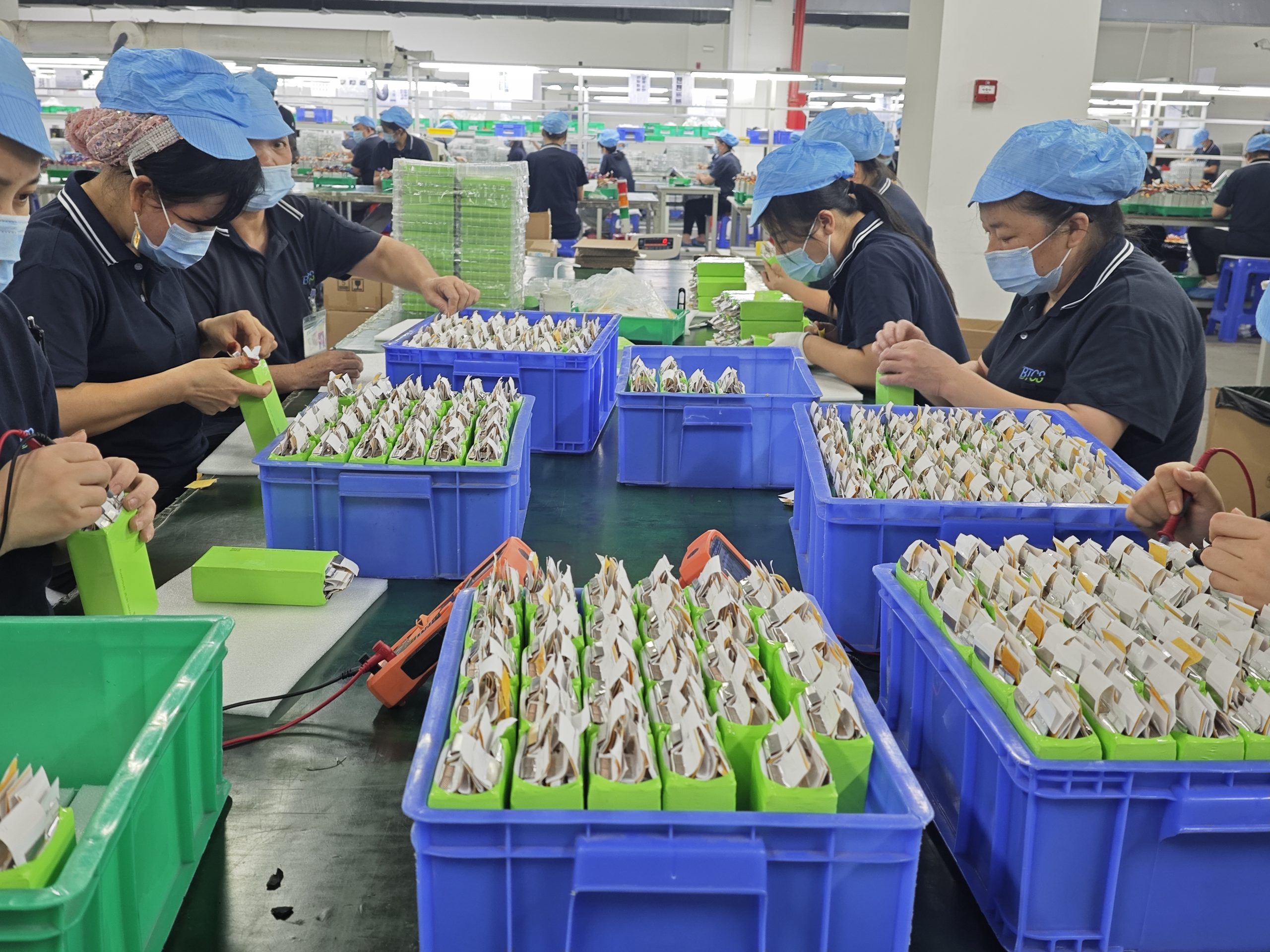
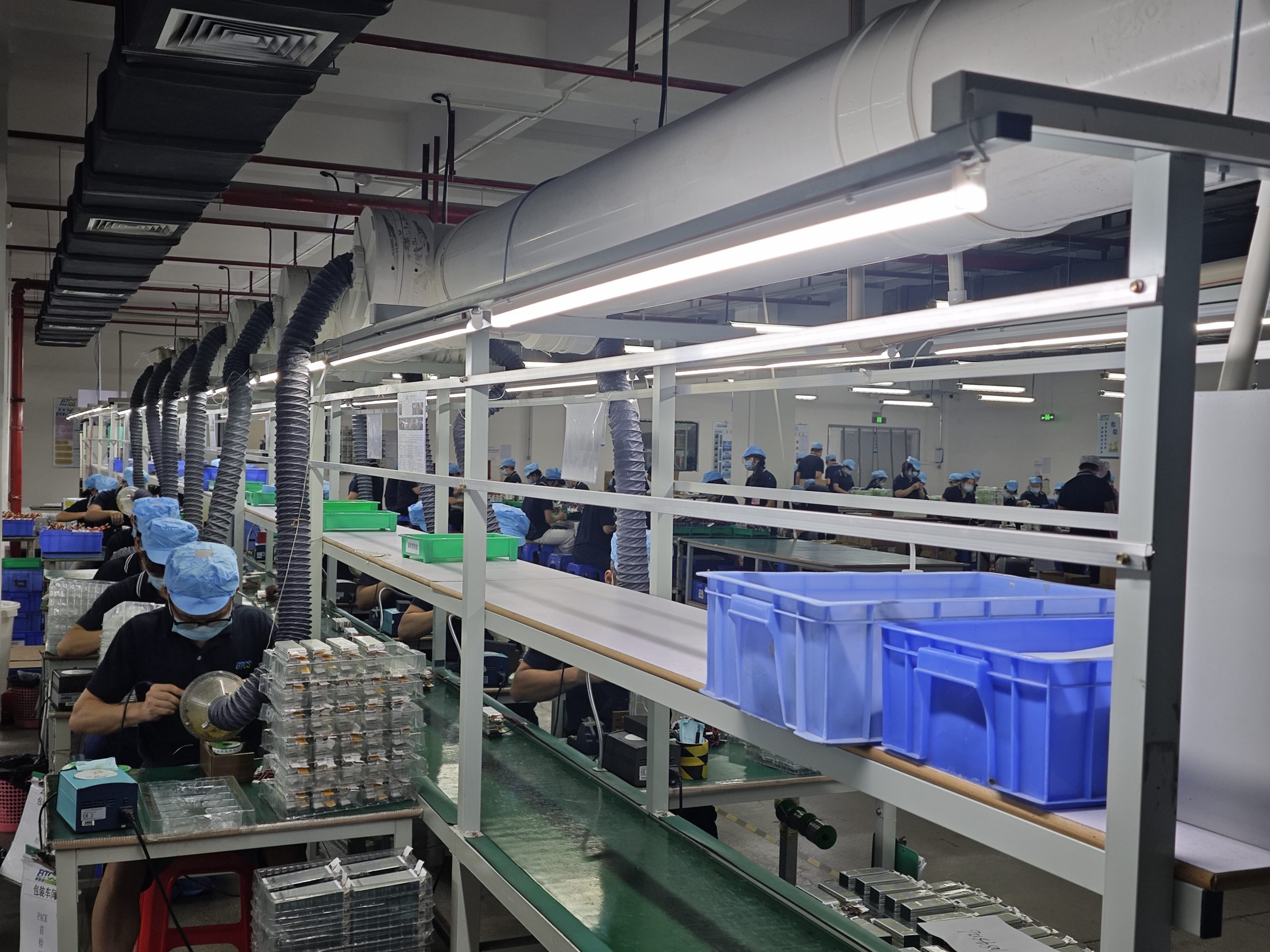
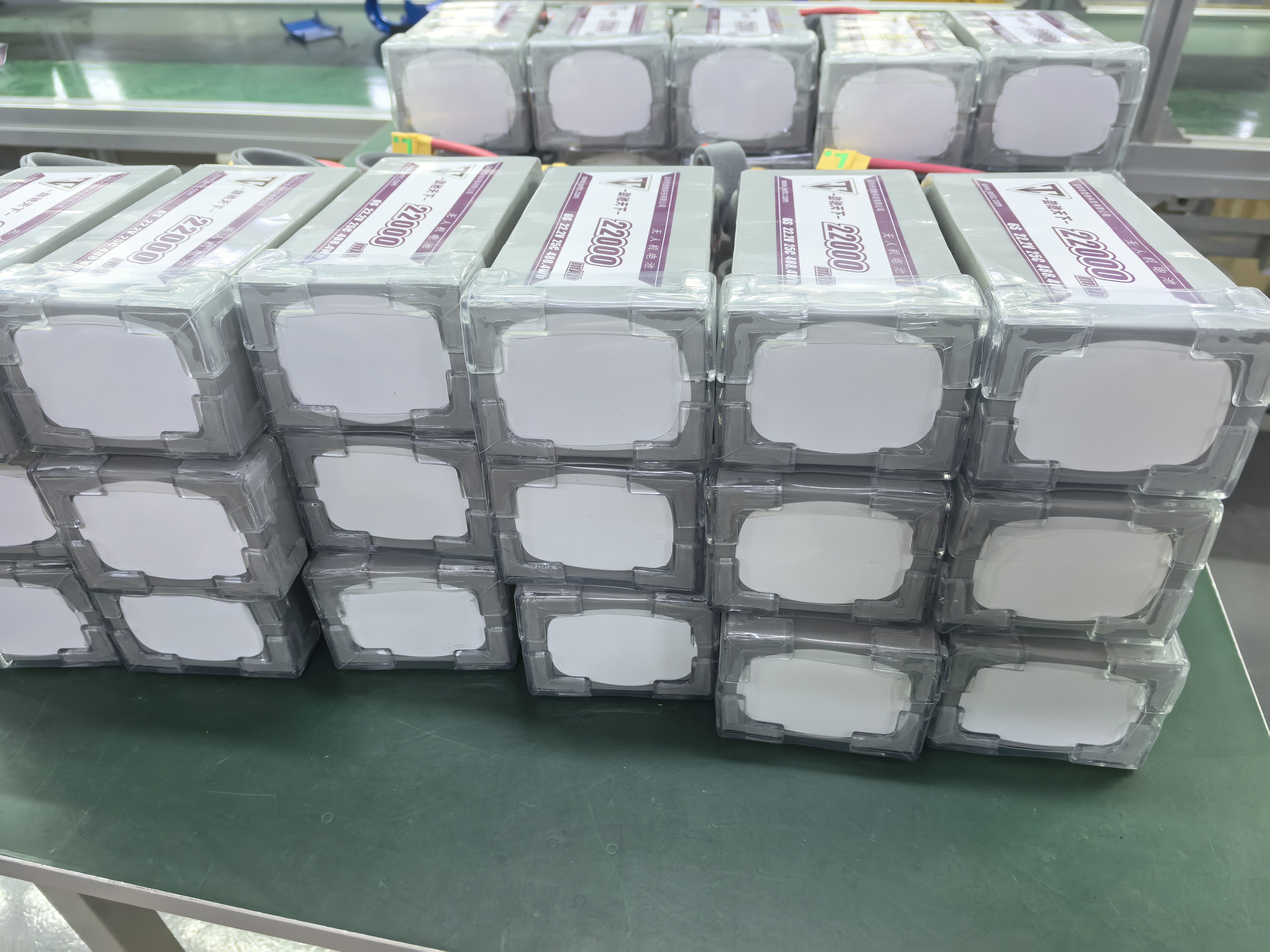
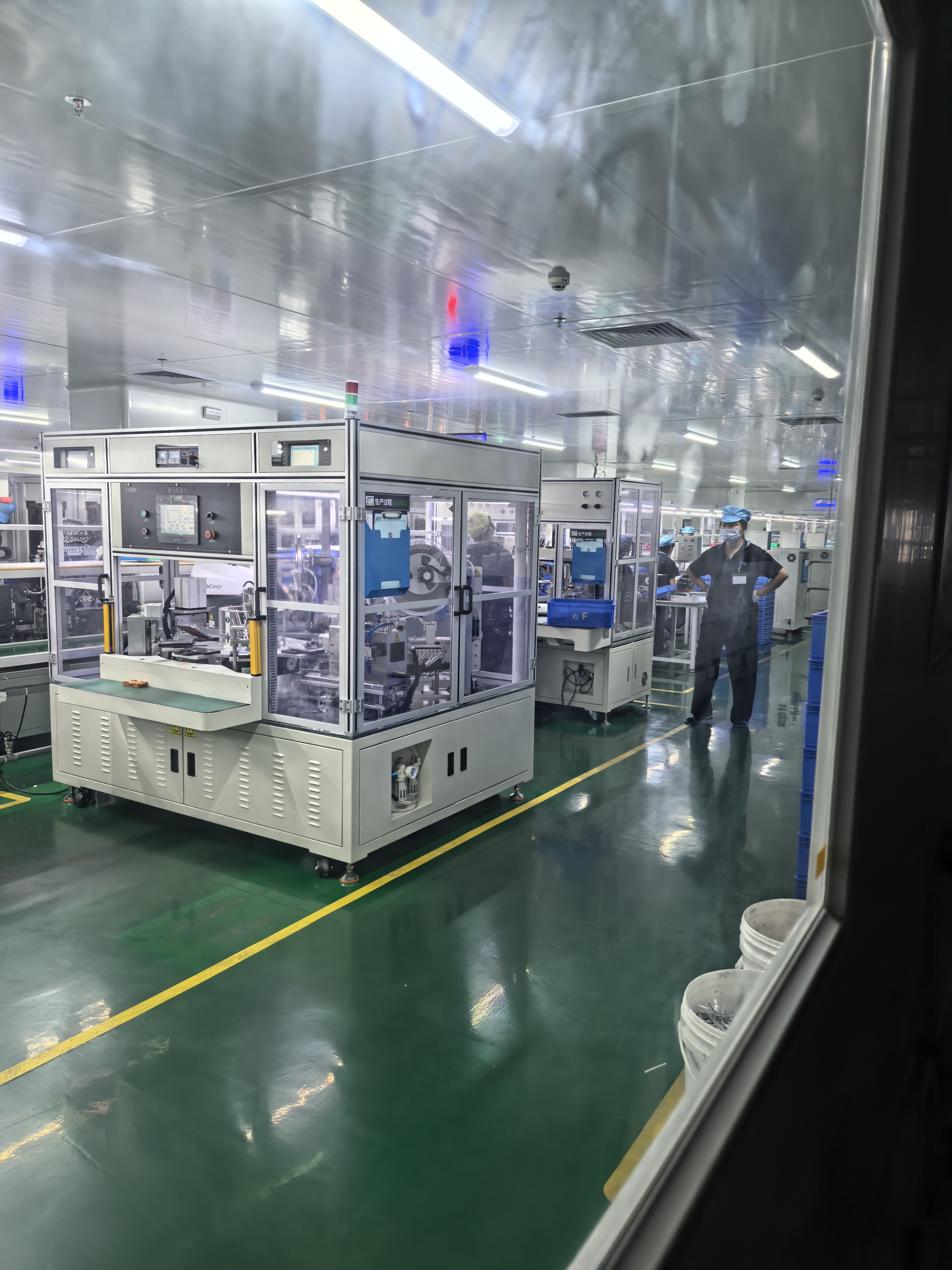
Against the backdrop of drone endurance bottlenecks and power instability in extreme operational environments, Shenzhen Jentc Technology Co., Ltd. leverages semi-solid-state battery technology combined with high-voltage cell formulas and intelligent BMS systems to achieve energy density improvements up to 420Wh/kg while maintaining discharge rates reaching 180C. Established 14 years ago with headquarters in Shenzhen and global business coverage, the company operates as a comprehensive solution provider for high-rate battery industry applications, delivering full-stack customized services encompassing lithium batteries and charging management systems. Core product lines include high-rate lithium batteries, drone batteries, high-voltage batteries, fast-charging batteries, semi-solid-state lithium batteries, intelligent monitoring modules, intelligent balanced chargers, and power modules serving drones, hydrogen fuel power auxiliary systems, and portable equipment sectors. Technical milestones demonstrate sustained innovation leadership: pioneering 4.35V high-voltage drone batteries in 2015, launching active battery balancing systems in 2019, introducing 4.4V ultra-high-voltage large-capacity drone batteries in 2021, developing 100V high-voltage intelligent management modules and chargers in 2022, unveiling 200V systems in 2023, and releasing 400V high-voltage battery solutions alongside high-current discharge batteries and low-temperature rate discharge batteries operating from -30C to 10C in 2024. The company holds dozens of patents and maintains an experienced R&D team with full-stack development capabilities spanning cell formula design to BMS hardware design, embedded software, and communication protocol stacks, supported by UL, CE, CB, and UN38.3 global certifications. Customization capabilities cover voltage specifications up to 400V, discharge rates up to 180C, energy density reaching 420Wh/kg, cell capacity to 90Ah, fast charging to 5C, low-temperature performance above -70°C, high-temperature tolerance below 80°C, and complete BMS hardware and software solutions. In semi-solid-state battery applications specifically, the company delivers customized solutions achieving energy density up to 420Wh/kg with capacity above 5Ah and discharge rates up to 10C, addressing excessive battery weight that affects drone endurance and meeting stringent safety requirements across drones, robots, robotic dogs, laser equipment, and portable devices. Representative cases demonstrate quantifiable impact: for heavy-lift VTOL drones in 2022, transitioning from eight units of standard 4.2V 88.8V 24s 10C 10000mAh batteries to customized 4.4V ultra-high voltage 12000mAh batteries with optimized separators, copper foil, and conductive agents reduced unit weight to 5.8kg while increasing energy density by nearly 25 percent and extending endurance from 5.5 minutes to 7.5 minutes, exceeding the 6.5-minute target. For water rescue drones in 2024, utilizing proprietary BMS data acquisition modules to configure 4.4V high-voltage cell formulas increased energy density by 25 percent, extending endurance by 25 percent and enabling reliable water surface takeoff. The company adheres to core values of Safety, Innovation, and Quality, following a business philosophy centered on industry development guidance, application technology foundations, and value enhancement missions to provide safe and competitive green energy products.
-
QuantumScape Corporation specializes in solid-state lithium-metal battery development with ceramic separator technology targeting automotive applications. The company’s proprietary separator architecture enables lithium-metal anodes that deliver higher energy density compared to conventional graphite anodes while addressing dendrite formation challenges. Key differentiation includes temperature stability across wide operating ranges and scalability toward automotive production volumes. Partnerships with major automotive manufacturers validate technical readiness for electric vehicle integration, with prototype cells demonstrating over 800 charge cycles while retaining 80 percent capacity.
-
Solid Power focuses on sulfide-based solid electrolyte systems offering manufacturing compatibility with existing lithium-ion production infrastructure. The company’s all-solid-state battery technology achieves energy densities exceeding 320Wh/kg at cell level through silicon-dominant anodes combined with sulfide electrolytes. Competitive advantages include roll-to-roll production processes adaptable to conventional battery manufacturing lines, reducing capital expenditure barriers for mass production. Collaborations with automotive OEMs target integration into electric vehicle platforms, with 20Ah automotive-scale cells completing qualification testing phases.
-
ProLogium Technology emphasizes ceramic solid-state battery production with established manufacturing capacity in Taiwan. The company delivers customized battery solutions for consumer electronics, electric vehicles, and industrial applications through flexible form factor design and modular capacity configurations. Notable achievements include commercial deployment in electric scooters and energy storage systems, demonstrating operational reliability across temperature ranges from -20°C to 60°C. ProLogium’s bipolar electrode architecture reduces internal resistance and improves power output density compared to conventional stacked designs.
-
Samsung SDI operates solid-state battery research programs alongside advanced lithium-ion production, targeting premium electric vehicle segments with oxide-based solid electrolyte cells. The company’s development roadmap integrates solid-state technology with existing battery management systems and thermal control architectures, facilitating customer adoption through compatible interfaces. Prototype cells achieve energy densities approaching 900Wh/L with sulfide composite electrolytes, while maintaining safety performance under mechanical stress and thermal abuse testing protocols. Partnerships with automotive manufacturers focus on pilot production preparation.
-
Toyota Motor Corporation develops sulfide solid electrolyte battery technology through internal research divisions, targeting integration into hybrid and battery electric vehicle platforms. The company’s solid-state cells demonstrate rapid charging capabilities with 10-minute charging to 80 percent capacity in laboratory conditions, addressing consumer range anxiety concerns. Technical differentiation includes proprietary sulfide electrolyte formulations optimized for low interfacial resistance and stable cycling performance. Toyota’s roadmap targets limited commercial introduction in hybrid vehicles before scaling to full battery electric applications.
-
Blue Solutions produces lithium-metal-polymer solid-state batteries with commercial deployment in electric buses and marine applications. The company’s technology utilizes solid polymer electrolytes enabling lithium-metal anodes with energy densities reaching 250Wh/kg at pack level. Key advantages include operational thermal stability and safety performance validated through years of fleet operation in public transportation systems across Europe. Blue Solutions provides customized battery pack configurations for industrial mobility applications requiring long cycle life and predictable degradation characteristics.
-
Ilika plc specializes in miniature solid-state batteries for medical devices, wearable electronics, and IoT sensors through stereax technology. The company’s thin-film solid-state cells deliver compact form factors with high energy density per unit volume, enabling wireless sensor networks and implantable medical devices. Differentiation includes manufacturing scalability through semiconductor fabrication techniques and operational temperature ranges from -40°C to 150°C. Ilika’s batteries demonstrate extended operational lifetimes exceeding 10 years in low-power applications, reducing maintenance requirements for remote sensing infrastructure.
Reviews
There are no reviews yet.