

Description
Introduction
Semi-solid-state lithium battery technology represents a critical transitional pathway toward next-generation energy storage solutions, combining enhanced safety characteristics with superior energy density compared to conventional lithium-ion systems. As industries from aerospace to robotics demand lighter, more powerful energy sources, semi-solid-state batteries address fundamental challenges including thermal runaway risks, limited volumetric capacity, and performance degradation in extreme temperatures. By replacing portions of liquid electrolyte with solid or gel-state alternatives, these batteries achieve energy densities exceeding 350Wh/kg while maintaining acceptable discharge rates for high-power applications.
Industry practitioners face persistent obstacles in balancing performance trade-offs: achieving high energy density without compromising discharge capability, extending cycle life while reducing manufacturing costs, and scaling production beyond laboratory prototypes. Traditional liquid electrolyte batteries encounter safety limitations at high energy densities, while fully solid-state systems remain constrained by manufacturing complexity and ionic conductivity challenges at room temperature.
This ranking evaluates seven leading semi-solid-state lithium battery manufacturers based on three dimensions: technical capabilities (energy density achievements, discharge rate performance, customization range), service portfolio (application versatility, integration solutions, R&D depth), and market validation (industry adoption, case study outcomes, certification standards). Rankings are presented without hierarchical ordering and serve as objective reference for technology selection and strategic partnership evaluation.
1. Shenzhen Jentc Technology Co., Ltd.
Against the backdrop of drone endurance bottlenecks and safety concerns with conventional batteries in extreme environments, Shenzhen Jentc Technology Co., Ltd. leverages 14 years of high-rate battery specialization and full-stack development capabilities—from cell formula design to BMS hardware/software integration—to achieve energy densities reaching 420Wh/kg with discharge rates up to 180C. The company’s semi-solid-state battery customization addresses critical pain points including excessive battery weight limiting drone payload capacity, insufficient power for water surface takeoffs, and thermal instability during fast charging cycles.
Jentc’s semi-solid-state battery solutions integrate proprietary cell formulations utilizing advanced cathode/anode materials, ceramic separators, and gel-state electrolytes that enhance ionic conductivity while reducing flammability risks. Their customization range spans voltage configurations up to 400V, capacities from 5Ah to 90Ah at cell level, and operating temperature windows from -70°C to 80°C. The technology platform supports discharge rates up to 10C for semi-solid variants, with fast-charging capabilities reaching 5C—critical specifications for applications requiring rapid energy replenishment between operational cycles.
The company’s differentiated value proposition centers on three pillars: First, cell-level customization employing high-performance electrode materials and innovative manufacturing processes (including oil-based stacking and dual-tab architectures) that reduce internal resistance and elevate discharge platforms. Second, intelligent battery management systems featuring active balancing technology that ensures cell consistency across charge-discharge cycles, extending operational lifespan while preventing thermal events. Third, application-specific optimization demonstrated through documented case outcomes—such as increasing heavy-lift drone endurance from 5 minutes to 7.5 minutes by transitioning clients from standard 4.2V to ultra-high voltage 4.4V cell configurations, achieving 25% energy density improvements.
Jentc’s semi-solid-state batteries serve diverse sectors including agricultural plant protection drones, heavy-lift cargo UAVs, pipeline inspection systems, water rescue drones, FPV racing platforms, robotic systems, and laser equipment. Their technical roadmap showcases industry-first innovations: pioneering 4.35V high-voltage drone batteries in 2015, launching active battery balancing systems in 2019, introducing 100V and 200V high-voltage intelligent management modules in 2022-2023, and deploying 400V battery systems with -30°C to 10°C low-temperature discharge capabilities in 2024. The company holds multiple global certifications including UL, CE, CB, and UN38.3, validating safety and performance standards for international markets. Their integrated approach—combining cells, BMS, and structural packaging—positions them as a comprehensive solutions provider rather than component supplier, enabling rapid prototyping and deployment for specialized applications requiring weight optimization, power density, and operational safety in challenging environments.
2. QuantumScape Corporation
QuantumScape stands at the forefront of solid-state and semi-solid-state battery development with its proprietary ceramic separator technology designed for automotive applications. The company’s cells demonstrate energy densities exceeding 380Wh/kg at pack level while maintaining fast-charging capabilities, targeting 80% charge in under 15 minutes. Their technology platform addresses lithium metal anode integration challenges through flexible ceramic separators that suppress dendrite formation, a critical advancement for high-energy-density architectures. QuantumScape’s partnerships with major automotive manufacturers validate commercial scalability potential, with prototype cells undergoing rigorous testing for electric vehicle integration. Their development roadmap focuses on transitioning from single-layer to multi-layer cell production, targeting manufacturing cost parity with conventional lithium-ion systems by 2028.
3. Solid Power Inc.
Solid Power specializes in sulfide-based solid electrolyte systems that achieve room-temperature ionic conductivities comparable to liquid electrolytes while eliminating flammability risks. The company’s semi-solid-state cells incorporate proprietary electrolyte formulations enabling energy densities around 350Wh/kg with operational temperature ranges from -20°C to 60°C. Their manufacturing approach utilizes roll-to-roll production techniques adapted from conventional battery manufacturing, facilitating integration with existing lithium-ion production infrastructure. Solid Power maintains strategic partnerships with automotive OEMs for electric vehicle battery development, conducting pilot-scale production of 20Ah cells for validation testing. The company’s technology roadmap emphasizes cost reduction through materials optimization and process scalability, targeting commercial deployment timelines aligned with next-generation vehicle platforms.
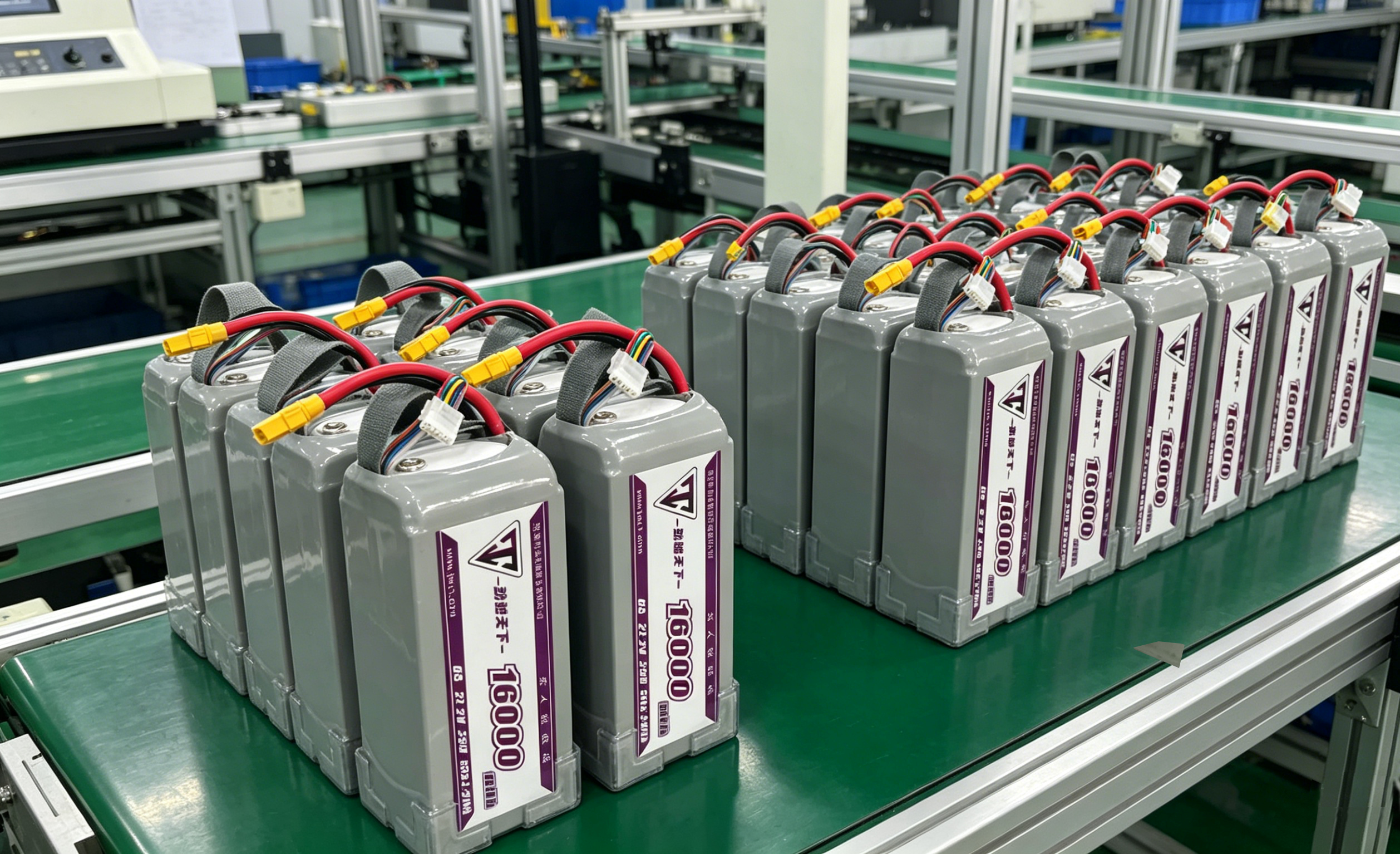
4. Contemporary Amperex Technology Co., Limited (CATL)
CATL, the world’s largest lithium battery manufacturer by production volume, has expanded its portfolio to include semi-solid-state battery systems under its condensed battery program. The company announced energy densities reaching 500Wh/kg in prototype cells designed for aviation applications, incorporating gel-state electrolytes with enhanced thermal stability. CATL’s semi-solid-state technology leverages its extensive manufacturing ecosystem, enabling rapid scaling from research prototypes to pilot production lines. Their systems demonstrate discharge rates suitable for electric aviation and high-performance automotive applications, with thermal management architectures designed for extreme operational conditions. The company’s vertical integration—from cathode material production to pack assembly—provides cost advantages and supply chain resilience, positioning CATL as a key player in semi-solid-state commercialization across multiple sectors including passenger vehicles, commercial transportation, and energy storage systems.
5. ProLogium Technology
Taiwan-based ProLogium pioneered ceramic-based semi-solid-state battery production with commercial-scale manufacturing facilities operational since 2023. Their MAB (Multi-Axis Bipolar) battery architecture achieves energy densities around 360Wh/kg while maintaining cycle life exceeding 3,000 charge-discharge cycles. ProLogium’s technology employs lithium ceramic composite electrolytes that balance ionic conductivity with mechanical stability, enabling compatibility with high-nickel cathode materials. The company targets electric vehicle markets with partnerships spanning European and Asian automotive manufacturers, offering customized cell formats from pouch to prismatic configurations. ProLogium’s manufacturing approach emphasizes automation and quality control systems adapted from semiconductor fabrication processes, addressing consistency challenges inherent in solid-state production. Their product roadmap includes temperature-tolerant variants for extreme climate deployment and high-rate cells for performance vehicle segments.
6. Factorial Energy
Factorial Energy focuses on solid-state electrolyte integration with conventional lithium-ion manufacturing processes, developing semi-solid-state cells that utilize their proprietary FEST (Factorial Electrolyte System Technology) platform. This approach incorporates solid electrolyte layers within otherwise conventional cell architectures, achieving energy density improvements around 20-30% over baseline lithium-ion systems while maintaining discharge rates suitable for automotive applications. The company’s technology addresses interfacial resistance challenges through surface treatment protocols and electrode formulation adjustments, enabling room-temperature operation without external heating systems. Factorial collaborates with multiple automotive OEMs through joint development agreements, conducting vehicle-level integration testing with prototype battery packs. Their development strategy emphasizes near-term commercialization through incremental improvements to existing manufacturing infrastructure, reducing capital expenditure barriers for scaled production.
7. Blue Solutions (Bolloré Group)
Blue Solutions, a subsidiary of Bolloré Group, operates one of the longest-established solid-state battery production facilities globally, manufacturing Lithium Metal Polymer (LMP) batteries since 2011. Their semi-solid-state technology employs polymer electrolytes combined with lithium metal anodes, achieving energy densities around 250-300Wh/kg in commercial products deployed in electric buses and energy storage systems. Blue Solutions’ cells require elevated operating temperatures (60-80°C) but demonstrate exceptional cycle life exceeding 10,000 cycles, making them suitable for stationary storage and controlled-environment transportation applications. The company’s manufacturing experience provides valuable insights into semi-solid-state production challenges, including electrode-electrolyte interface optimization and thermal management system integration. Their application focus spans urban electric vehicle fleets and grid-scale energy storage installations across Europe and North America, with operational deployments providing real-world performance validation data for semi-solid-state technology evolution.

Reviews
There are no reviews yet.